Sous Vide for Meal Prep: Which Stick Is Worth It – and What to Cook Ahead
Chicken breast that's just as juicy on Thursday as on Sunday? Sous vide makes it happen. You cook meat, fish or eggs in a bag at an exact temperature in a water bath – nothing dries out, and you don't have to stand next to it. Here's how sous vide meal prep works, which stick is worth it and whether you really need a vacuum sealer.
Disclosure: This article contains affiliate links. If you buy through them, we earn a commission – the price stays the same for you.
With regular pan-frying, chicken breast gets too hot on the outside before it's done inside. When reheated, it dries out further. Sous vide flips that: the water bath is exactly at the target temperature, so the meat can't get too hot. It stays evenly tender – from edge to center.
That's ideal for meal prep. You season four to six portions, put the bags in the water and use the time for rice in the rice cooker or vegetables on the sheet pan. Whether the chicken stays in the bath for 90 or 120 minutes makes almost no difference.
What you need for sous vide meal prep
- Sous vide stick (immersion circulator): clamps to the side of the pot, heats and circulates the water. Important: 0.5 °C (1 °F) steps or finer, a timer and waterproofing (IPX7).
- Large pot or container: 8–12 quarts for 4 portions, up to 20 quarts for larger amounts.
- Bags: reusable zip-top bags or vacuum bags. BPA-free and approved for sous vide.
- Optional vacuum sealer: makes the bags truly airless – they don't float and you can freeze portions directly.
- Pan or grill: for the crust after cooking. One minute per side is enough.
Temperatures and times for the week
| Food | Temperature | Time |
|---|---|---|
| Chicken breast | 145–149 °F (63–65 °C) | 1.5–2 hrs |
| Turkey breast | 144–147 °F (62–64 °C) | 2–3 hrs |
| Pork tenderloin | 136–140 °F (58–60 °C) | 1.5–2 hrs |
| Salmon | 122–126 °F (50–52 °C) | 30–40 min |
| Carrots | 183–185 °F (84–85 °C) | 45–60 min |
| Egg bites (in a jar) | 170 °F (77 °C) | 60 min |
Times apply to pieces about 1 in (2–3 cm) thick. Thicker pieces need longer. If you want to check the internal temperature after searing, use a meat thermometer.
How sous vide meal prep works
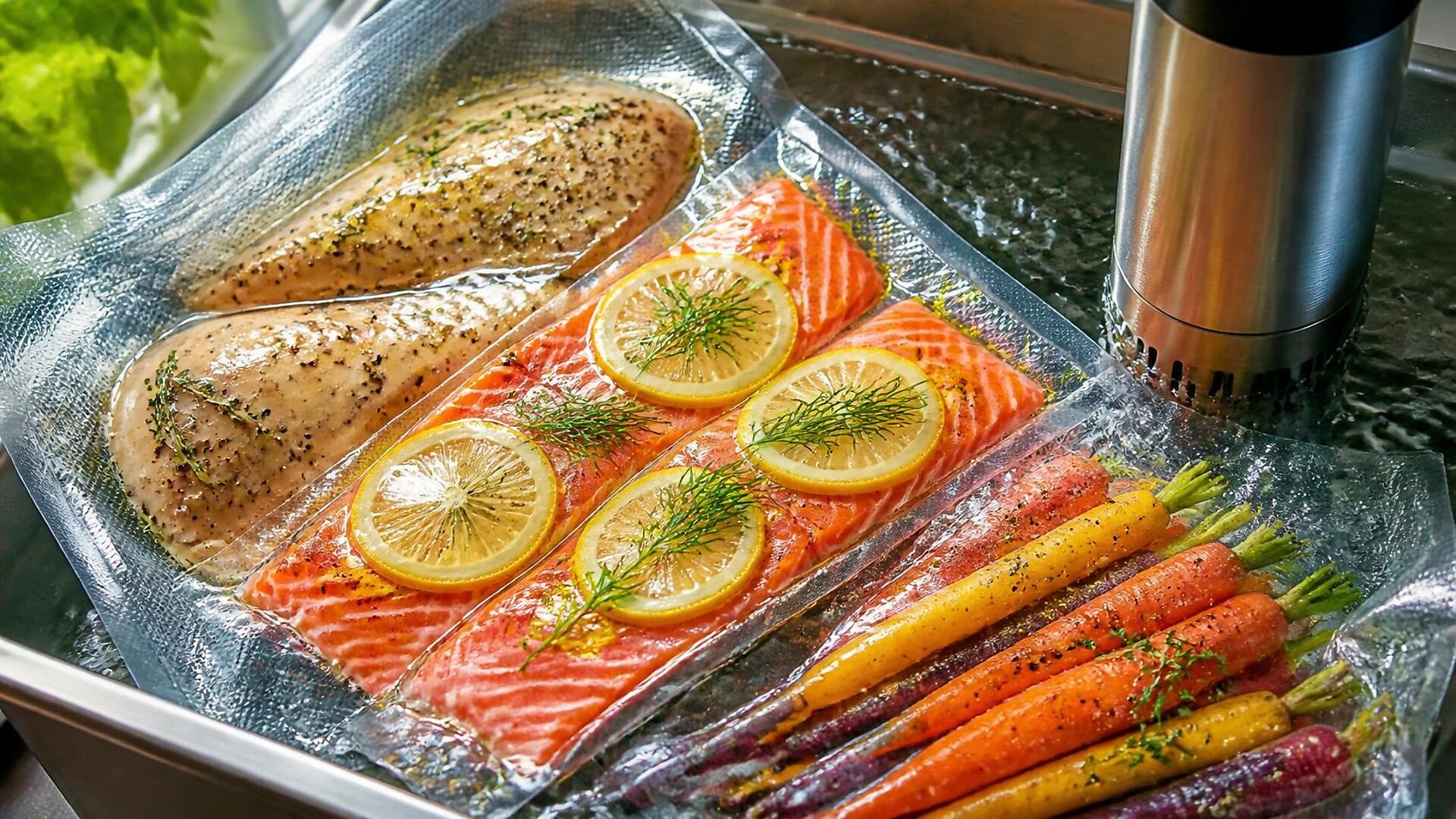
- Season and bag: salt the meat, add spices and a little oil. One or two portions per bag, flat side by side – so everything cooks at the same rate.
- Remove the air: with the vacuum sealer, or by slowly pressing the zip bag into the water until the air escapes, then sealing.
- Cook: set the stick to temperature, put the bags into the preheated water, start the timer.
- Chill quickly: put bags you're storing straight into ice water for 15–20 minutes. That's important for shelf life.
- Store or freeze: into the fridge in the sealed bag, freeze the rest. Sear for a crust only shortly before eating, then into the meal prep container.
3 sous vide ideas for the week
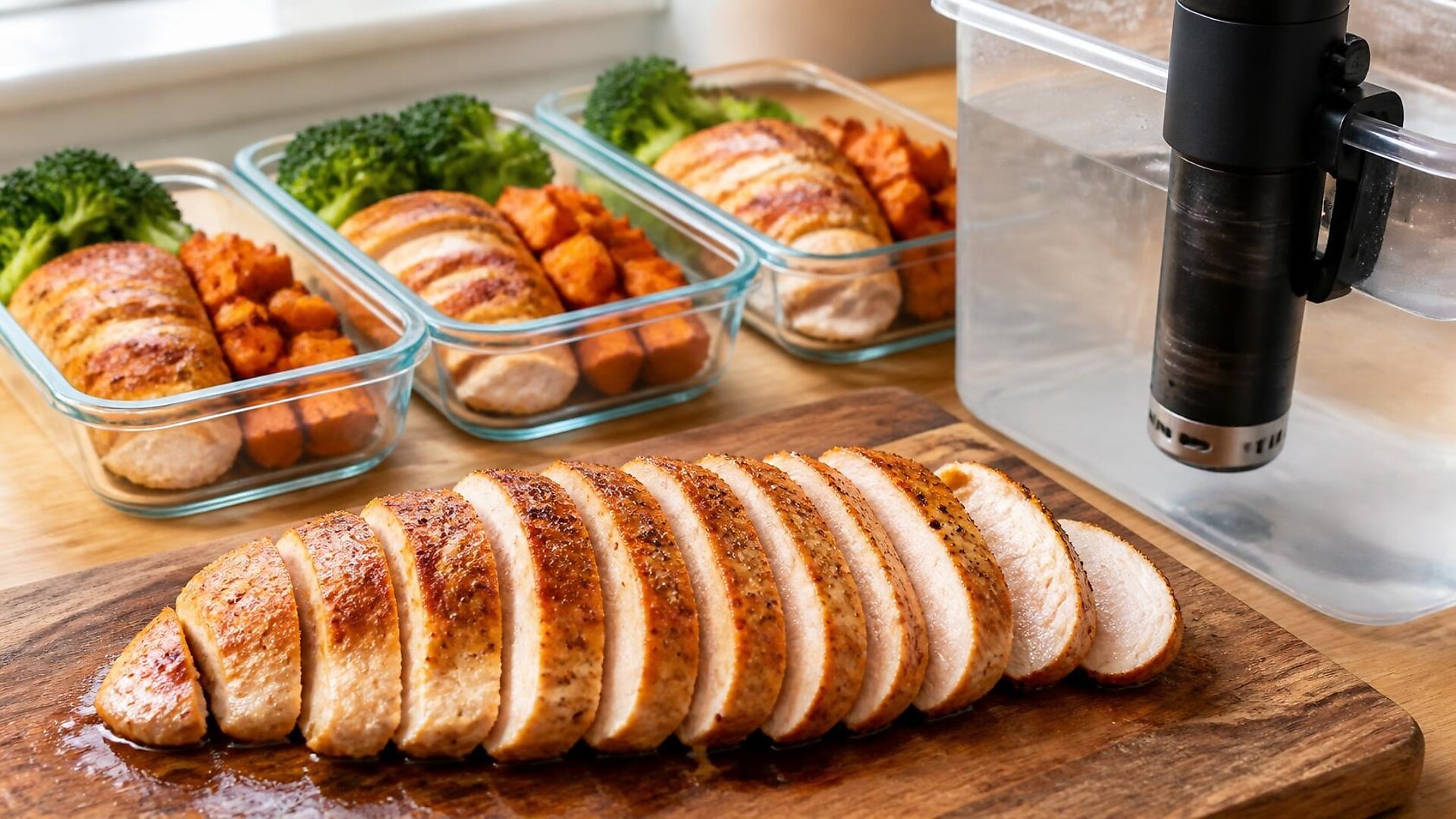
- Chicken bowls: chicken breast with paprika and garlic, 147 °F (64 °C), 2 hours. With sweet potato and broccoli from the sheet pan. Keeps four to five days.
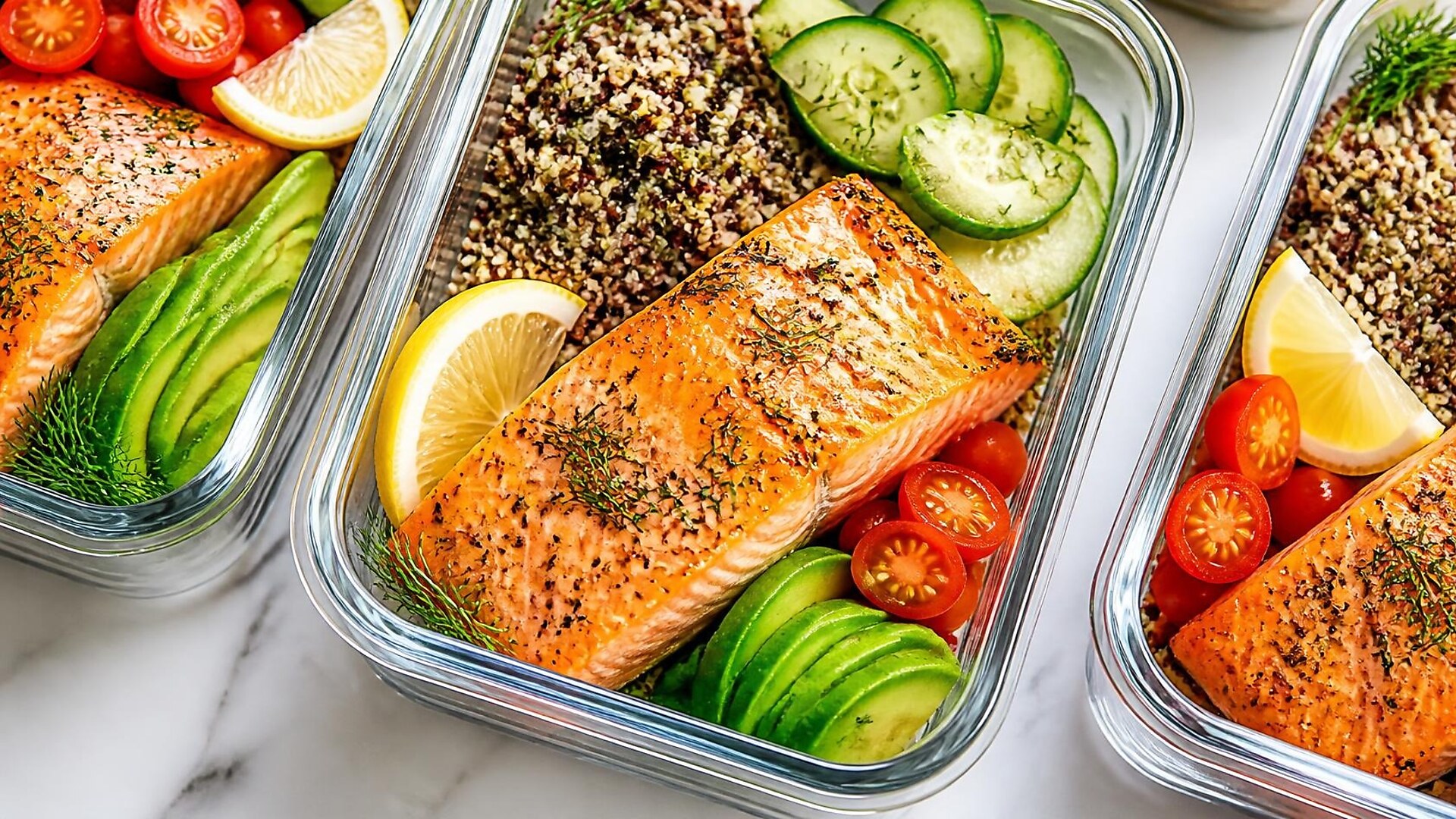
- Salmon with quinoa: salmon with lemon and dill, 124 °F (51 °C), 35 minutes. Cold in bowls with quinoa, avocado and cucumber – no reheating needed. Eat within two days.
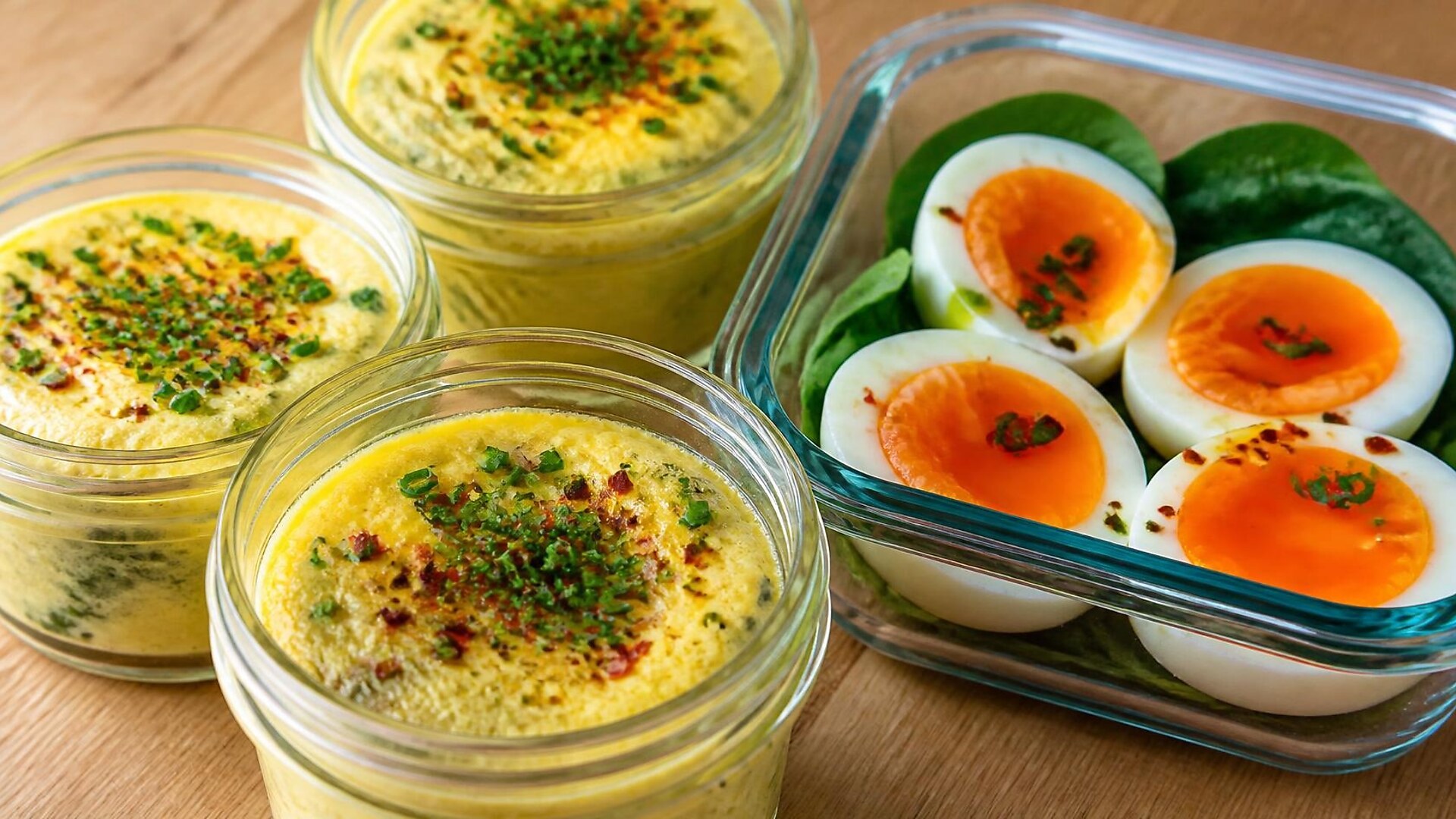
- Egg bites for breakfast: whisk eggs with cream cheese and spinach, fill small screw-top jars, close the lids only finger-tight, 60 minutes at 170 °F (77 °C). If you'd rather bake, use silicone egg bite molds.
Our picks
- Our pick: Caso SV400 sous vide stick stainless steel · for containers up to 20 L · 77–194 °F (25–90 °C) in 0.5 °C steps · timer · IPX7
A solid starter stick from a German brand. Clamps to almost any pot, is waterproof and handles large containers for six portions. For meal prep, you don't need more.
- The alternative: KitchenBoss G300T sous vide cooker precision cooker · touch display · timer · IPX7 waterproof
Popular stick with an easy-to-read display and simple controls. Quiet, heats up fast – good if you cook ahead on the side on Sunday.
- For frequent preppers: CASO VC10 vacuum sealer 30 cm (12 in) seal bar · pro bags included · compact
Makes bags truly airless. They don't float, cook more evenly and freeze without freezer burn. Worth it if you cook ahead every week. More in the vacuum sealer vs. containers comparison.
- Without a vacuum sealer: CASO Vacu ZIP bags 26 × 23 cm 20 bags · sous vide safe · BPA-free · 150 µm thick · reusable
Thick zip-top bags that can handle the water bath. For starting without a vacuum sealer: press out the air by water displacement, seal, done.
Common mistakes
- Bag floats on top: leftover air. Weigh it down with a spoon or clip, otherwise the top doesn't cook properly.
- Not chilled: putting warm bags straight into the fridge shortens shelf life. Always into ice water first.
- No crust: sous vide meat looks pale. Pat dry and sear briefly in a very hot pan.
FAQ
Is sous vide worth it for meal prep?
Yes, especially for chicken, turkey, salmon and eggs. The meat cooks to exactly the temperature you want, doesn't dry out and stays juicy in the vacuum bag for up to five days in the fridge. You can cook everything at once in the water bath without standing next to it.
Do I really need a vacuum sealer?
No. To start, zip-top bags are enough – remove the air with the water displacement method. If you sous vide every week and want to freeze portions, a vacuum sealer saves time and the bags stay reliably sealed.
What temperature for chicken breast?
For juicy chicken breast, 145–149 °F (63–65 °C) for 1.5 to 2 hours. Then sear briefly in a hot pan for a crust. Turkey works similarly; salmon needs only 122–126 °F (50–52 °C) for about 30–40 minutes.
How long does sous vide food keep in the fridge?
Chilled in ice water right after cooking and stored in the unopened bag, chicken keeps about four to five days. Eat fish within two days. Frozen, both keep around three months.
Which pot works for the water bath?
Any large stockpot of at least 8 to 10 quarts works. For four to six portions, a 12 to 20 quart plastic container is handy; with a lid or wrap, less water evaporates.
Keep reading
- Vacuum sealer or containers?
- Meat thermometer for meal prep
- Sheet pans for meal prep
- How to freeze meal prep the right way
Disclosure / affiliate: This article contains affiliate links. As an Amazon Associate we earn from qualifying purchases. The price you pay stays the same. Assessments are based on manufacturer specs and everyday use (as of October 2026).