Pressure Cooker for Meal Prep: Which One Is Worth It – and What to Cook in It
Goulash in 25 minutes instead of two hours, lentil stew in eight, chickpeas without a can: a pressure cooker is one of the most underrated meal prep helpers. Here's what size you need, what matters when buying and which three pots are worth it.
Disclosure: This article contains affiliate links. If you buy through them, we earn a commission – the price stays the same for you.
When cooking ahead, the problem isn't the chopping – it's the waiting. Beef goulash braises a good two hours in a regular pot, chickpeas take forever, and a rich broth blocks half your Sunday. In a pressure cooker, pressure builds and water boils at around 240 °F (115–117 °C) instead of 212 °F (100 °C) – and everything cooks much faster.
That saves not only time but also electricity or gas. And because you're not constantly opening the lid, flavor and nutrients stay in the food. If you already use a slow cooker for Crockpot recipes: the pressure cooker is the counterpart for days when it needs to be fast.
Cooking times: how much time you really save
| Dish | Regular pot | Pressure cooker (once at pressure) |
|---|---|---|
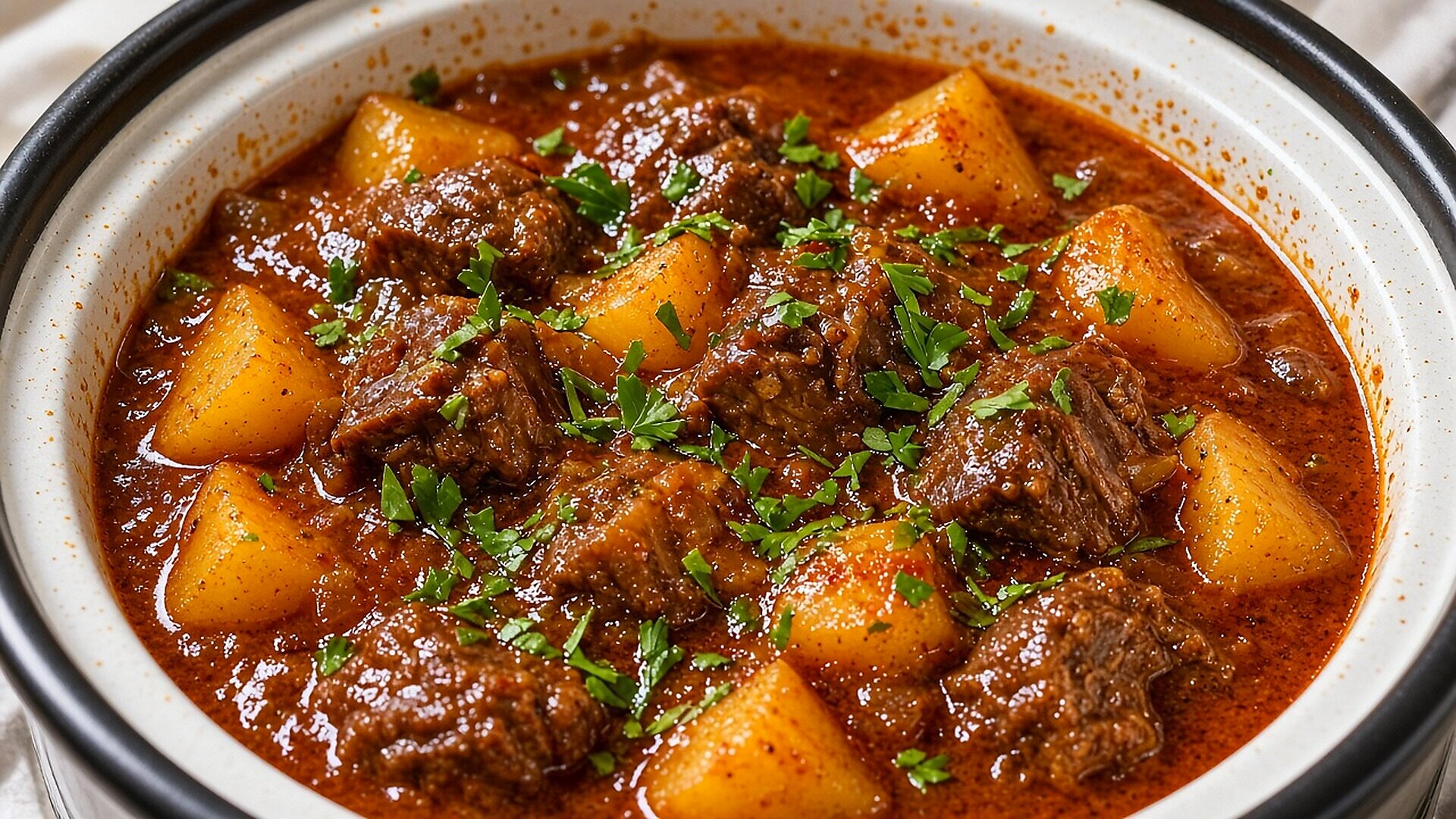
| Beef goulash | approx. 2 hrs | 20–25 min |
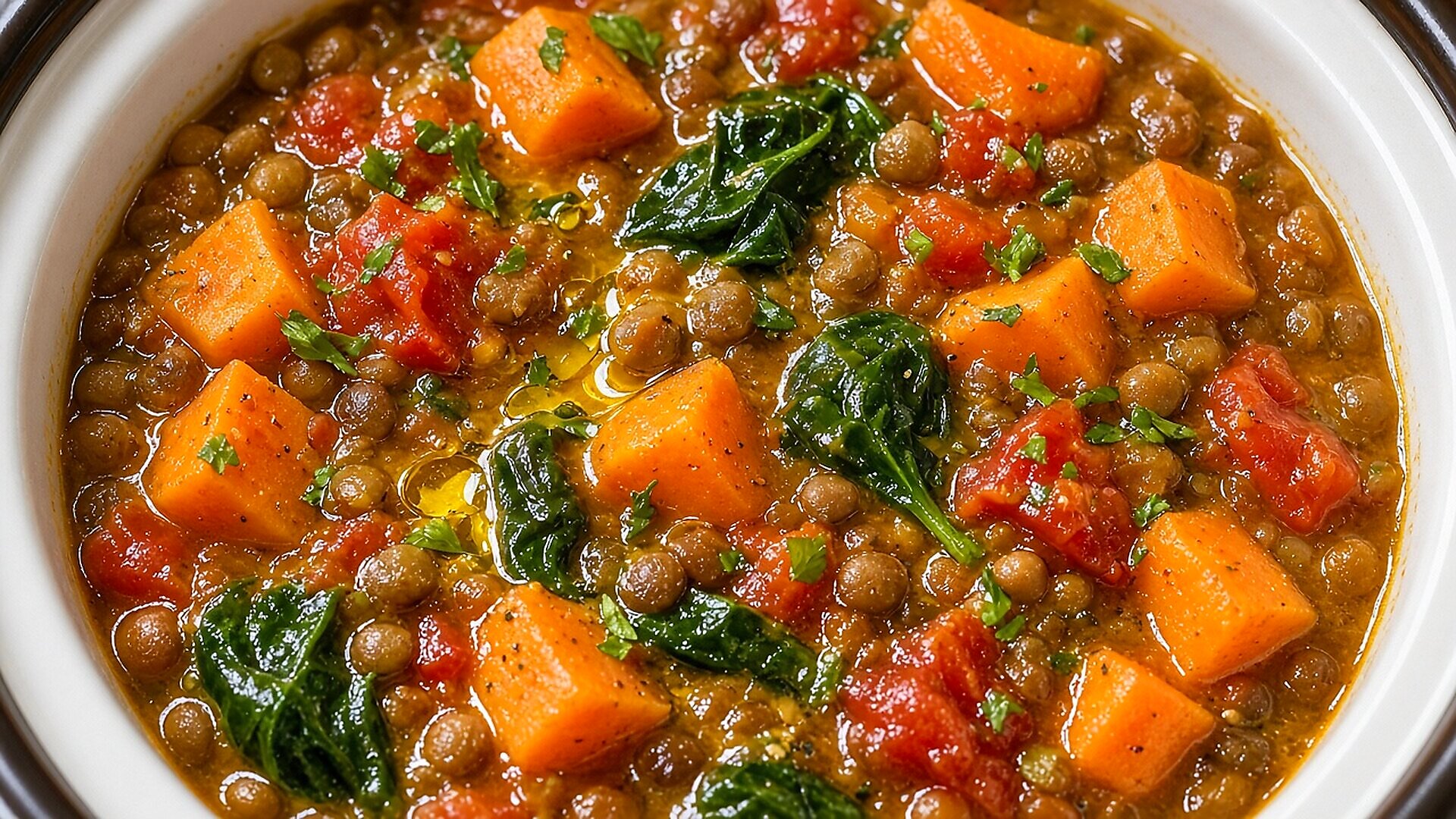
| Lentil stew (brown lentils) | approx. 45 min | 8–10 min |
| Chickpeas (soaked) | approx. 90 min | 12–15 min |
| Potatoes (whole, medium) | approx. 25 min | 6–8 min |
| Chicken broth | approx. 3 hrs | 35–40 min |
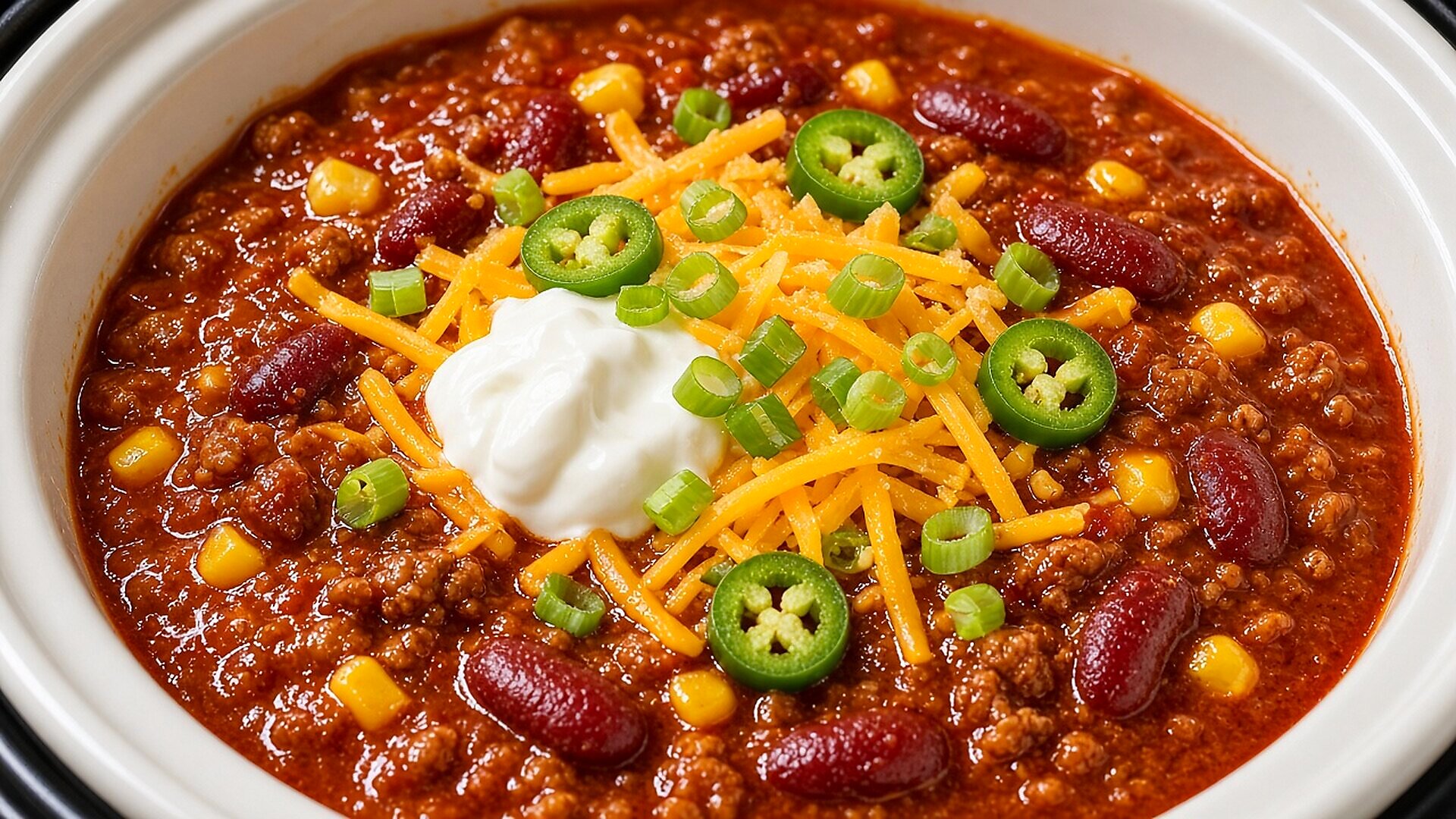
| Chili con carne | approx. 60 min | 15 min |
Guidelines per manufacturer specs. Add a few minutes to come up to pressure and release. But overall, with braises and legumes you easily save an hour per prep session.
What size do you need?
- 4.5 liters (about 5 qt): for 1–2 people, roughly 3–4 portions of stew. Compact, easier to wash.
- 6 liters (6 qt): the all-rounder for weekly prep. Enough for 5–6 portions and still fits nicely in the cabinet.
- 8–10 liters (8–10 qt): for families, big batches of broth or when you cook double and freeze half.
Important: a pressure cooker may only be filled about two-thirds, and only halfway with legumes and foamy foods. So a 6-liter pot really has more like 4 liters of usable capacity. When in doubt, go one size up.
What to look for when buying
- Two pressure settings: a gentle one for vegetables and fish, a strong one for meat and legumes. All three picks have that.
- Induction base: a thick encapsulated or all-stovetop base spreads heat evenly so nothing burns on the bottom.
- 18/10 stainless steel: flavor-neutral, sturdy and dishwasher-safe (the lid usually isn't).
- Spare parts: the sealing ring should be replaced every one to two years. With major brands you can still get one years later.
- Steamer insert: handy for cooking vegetables or potatoes at the same time. The Tefal and Fissler include one.
How a meal prep session with a pressure cooker works
- Sear in the open pot: brown onions, meat or spices right in the pressure cooker – more roasted flavor and one less pan.
- Add liquid: almost every pot needs at least 1 cup (250 ml) of water or broth, otherwise it won't build pressure.
- Lid on, bring to pressure: only when the indicator shows the setting, turn down the heat and set the timer.
- Natural release: with stews and legumes, let the pressure drop slowly on its own – that prevents foam and splatter.
- Portion: let it cool briefly and fill into meal prep containers. Whatever you won't eat within three days goes into the freezer.
While the pot works, take care of the rest: chop vegetables, prep a salad or start rice in the rice cooker. That way you have lunches for the whole week in 60 to 90 minutes.
Our picks
- Best value: Tefal Secure Trendy 6 L with basket stainless steel · 6 liters (6 qt) · 2 pressure settings (234 / 243 °F) · induction encapsulated base · steamer basket included · pot dishwasher-safe
The best starting point for most. Big enough for weekly prep, with a steamer basket for vegetables or potatoes and a handle that audibly clicks when the lid is properly closed. The lid is washed by hand. Also available in 4 and 8 liters.
- The long-lasting one: WMF Perfect Premium 4.5 L Cromargan 18/10 stainless steel · 4.5 liters (about 5 qt) · Ø 22 cm (8.7 in) · 2 pressure settings · all-in-one dial · TransTherm all-stovetop base
Ideal if you cook ahead for one or two. Opening, closing and releasing pressure all run through one dial on the handle, and the lid handle detaches for cleaning. No insert included – you can buy one separately if needed. Also available in 6.5 and 8.5 liters.
- For large amounts: Fissler Vitaquick Premium 10 L 18/10 stainless steel · 10 liters (10.5 qt) · Ø 26 cm (10 in) · 2 cooking settings · click locking indicator · perforated insert · made in Germany
If you cook ahead for a family or double batches, make broth or cook large amounts of chickpeas to stock up. The indicator switches from red to green as soon as the lid is securely locked. Too big and heavy for small households.
Care and safety
- Check the valve and sealing ring briefly after every use and rinse under running water.
- Never put the sealing ring in the dishwasher. If it gets hard or cracked, replace it right away.
- Never force it open. Only when the pressure indicator is all the way down can the lid be removed safely.
- Don't fill past the max line and never heat without liquid.
FAQ
Is a pressure cooker worth it for meal prep?
Yes, especially if you cook stews, legumes, goulash or broth ahead. Cooking time drops by up to two-thirds, and you save energy. For simply steaming vegetables or rice, a regular pot or rice cooker is enough.
What size pressure cooker is best for meal prep?
For 1–2 people and 3–4 portions, 4.5 liters (about 5 qt) is enough. If you cook ahead for the whole week or a family, go for 6 liters (6 qt). 8 to 10 liters only pays off for very large amounts, broth or canning. Important: the pot may only be filled about two-thirds, and only half with legumes.
Do I need to soak legumes before pressure cooking?
Not red or brown lentils. Chickpeas and beans should be soaked overnight – then they're soft in 12 to 20 minutes. Unsoaked works too, but takes about twice as long.
Stovetop pressure cooker or multicooker – which is better?
A stovetop pressure cooker builds more pressure, is more robust and often lasts decades. An electric multicooker (like an Instant Pot) is more convenient because it controls time and temperature itself and keeps food warm. If you already have a multicooker, you don't need a separate pressure cooker.
Can I freeze dishes from the pressure cooker?
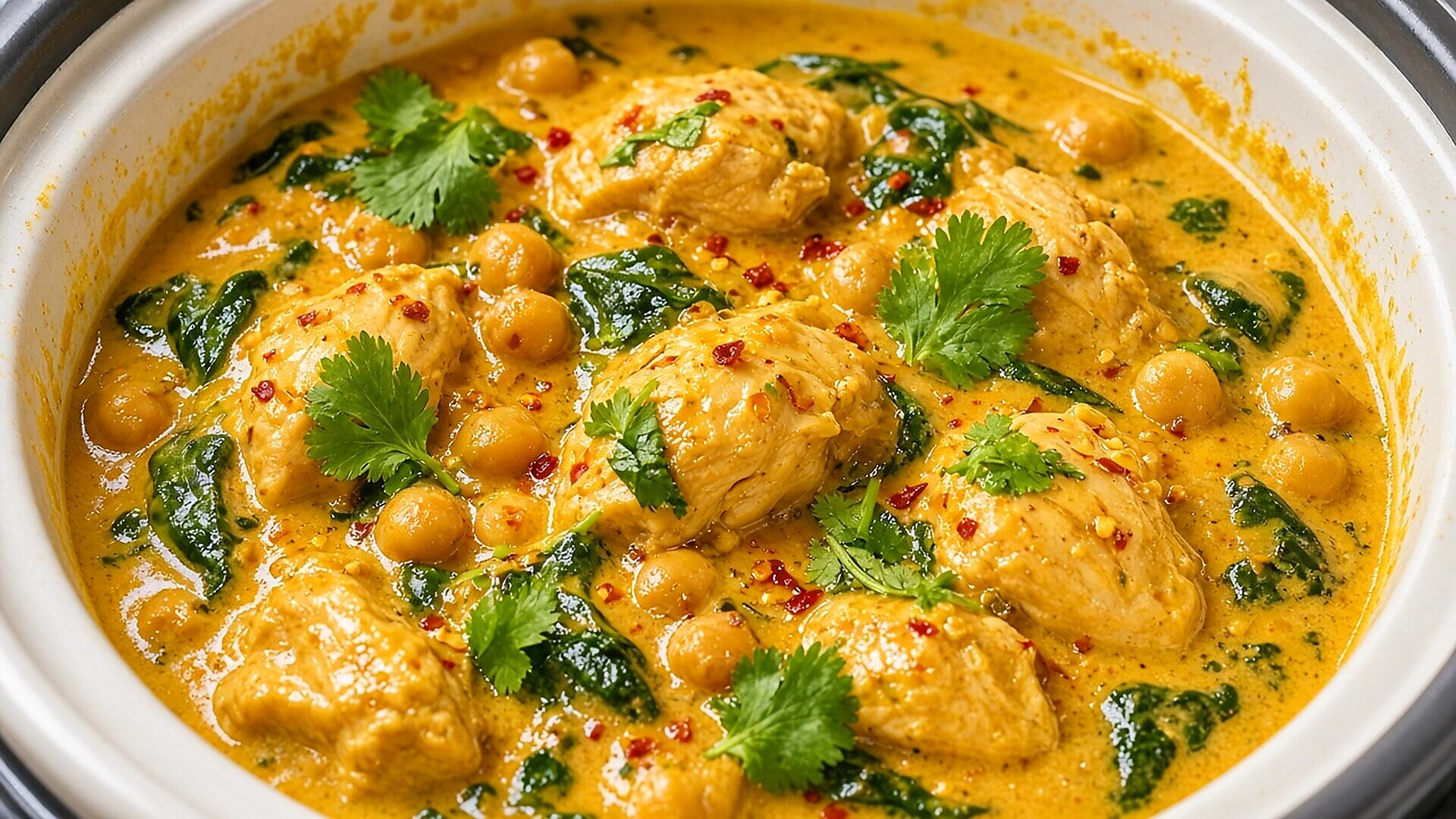
Yes, stews, chili, curry and goulash freeze very well. Let them cool first, then portion into containers. They keep about three months in the freezer.
Keep reading
- Food steamer for meal prep
- Crockpot meal prep: slow cooker recipes
- Rice cooker or multicooker for meal prep: which is worth it?
- Freezing meal prep: keep cooked food tasting great
- Budget meal prep: under $30 a week
Disclosure / affiliate: This article contains affiliate links. As an Amazon Associate we earn from qualifying purchases. The price you pay stays the same. Assessments are based on manufacturer specs and everyday use (as of October 2026).